
How Long Does a Land Survey Take?
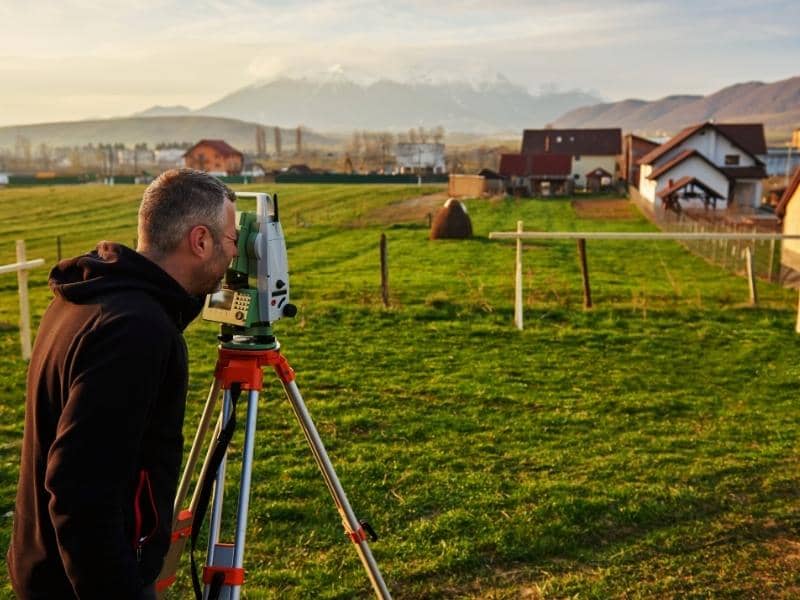
A standard residential land survey takes one to two weeks from the time you hire a surveyor to the day you receive the final certified report. Fieldwork on a typical residential lot takes one to two days. Research and drafting fill the rest of the timeline. Complex properties or busy seasons can push delivery to three weeks or more.
If you are working toward a closing date or a construction start, knowing the survey timeline in advance can save you a lot of stress. A survey that takes longer than expected is one of the more common reasons closings get pushed back. This guide walks you through each phase so you know exactly what to expect.
The Three Phases of a Land Survey
Every land survey goes through three phases: research, fieldwork, and drafting. Each phase takes a different amount of time, and each one can be affected by factors specific to your property. Understanding all three helps you set a realistic schedule from the start.
A land survey is not just a person walking around your yard with equipment. There is significant work that happens before and after the field visit. Here is how the three phases break down.
Phase 1: Research (One to Two Days)
Before a surveyor visits your property, they research its legal history. This includes reviewing the recorded deed, locating the original plat, and identifying any easements on file with the county.
If the property has a clean and well-documented history, this phase moves quickly. If records are incomplete or the property has changed hands many times, research can stretch to two full days. According to the American Congress on Surveying and Mapping, deed research alone can range from two hours to two full days depending on the quality of local records.
Phase 2: Fieldwork (Two Hours to Two Days)
This is the part most people picture when they think of a survey. The surveyor visits the property, locates existing monuments or markers, takes precise measurements of the boundaries, and documents what is found on the ground.
For a standard suburban lot, fieldwork takes two to eight hours. Larger properties, wooded land, irregular shapes, and challenging terrain all add time. A rural property with no existing monuments could require a full day or more in the field.
Phase 3: Drafting and Review (Two to Five Business Days)
Once fieldwork is complete, the surveyor compiles measurements, creates the final plat, writes the legal description, and reviews the work before signing and sealing the document. The NSPS notes that this phase typically adds two to five business days to the total timeline.
What the Total Timeline Looks Like
For a straightforward residential boundary survey, here is a realistic timeline from first contact to final delivery:
| Stage | Typical Time |
| Scheduling and intake | Same day to two business days |
| Records research | One to two days |
| Fieldwork | Two hours to two days |
| Drafting and review | Two to five business days |
| Total | One to three weeks |
Most clients in the Lafayette area can expect to receive their certified report within one to two weeks of placing their order, assuming no complications arise with the property history or field conditions.
What Can Slow a Survey Down
Even a simple survey can take longer than expected when certain conditions come into play.
High Demand Seasons
Real estate transactions in the U.S. peak between April and August each year. During this window, surveying firms in active markets often carry backlogs of two to four weeks. Outside of peak season, the same firm might deliver results in three to seven days. Scheduling your survey right after going under contract gives you the best chance of avoiding a delay at closing.
Incomplete County Records
Older properties and rural parcels are most vulnerable to this issue. If the legal description in the deed is vague or references landmarks that no longer exist, the surveyor must spend more time tracing the ownership history and reconciling conflicting documents. This is common in areas where land has not been formally surveyed in decades.
Weather Conditions
Fieldwork requires accurate physical measurement. Heavy rain, standing water, dense fog, or frozen ground can make conditions unsafe or inaccurate. When weather delays fieldwork, the entire timeline shifts. This is more common in winter or in flood-prone areas.
Property Access Issues
If a property has locked gates, restricted access, or portions that require permission from a third party to enter, scheduling the field visit may take longer. Surveyors cannot legally enter adjoining properties without permission, which can occasionally affect how quickly boundary work is completed.
How to Plan Around a Closing Date
If you are working toward a specific closing date, here is how to manage the survey timeline without putting that date at risk.
Order the survey immediately after going under contract. Do not wait for the inspection or financing approval to come back first. Those processes run in parallel and will not be affected by the survey. Every day you wait is a day off your timeline.
Tell the surveyor your deadline upfront. A good surveyor will tell you right away whether your deadline is achievable with standard service or whether you need expedited processing. Having that conversation on day one is far better than discovering a problem in the final week before closing.
Build in a buffer. Unexpected research issues, a weather delay, or a busy week at the firm can each add a few days. If your closing is three weeks out, ordering the survey today gives you a reasonable buffer. Ordering it in week two does not.
Confirm deliverable requirements with your lender early. Some lenders require a signed and sealed plat. Others accept a survey affidavit or a digital copy. Knowing the exact format your lender needs prevents a last-minute revision that costs time you cannot afford to lose.
Frequently Asked Questions
Can a land survey be completed in one day?
The fieldwork can sometimes be done in a single day for a small, uncomplicated property. However, the full process including research, drafting, and review almost always takes longer. A signed, certified report is rarely ready the same day fieldwork is completed.
Does the time of year affect how long a survey takes?
Yes. Spring and summer are peak seasons for real estate and construction, which means higher demand and longer wait times. Scheduling during fall or winter typically results in faster turnaround, though weather can sometimes offset that advantage.
Will I be notified when the survey is complete?
Most firms contact the client directly when the report is ready. Ask at the time of scheduling how delivery works, whether you will receive a digital copy, a physical plat, or both, and who else needs a copy such as your lender or title company.