
Title Insurance vs. Land Survey: What Is the Difference?
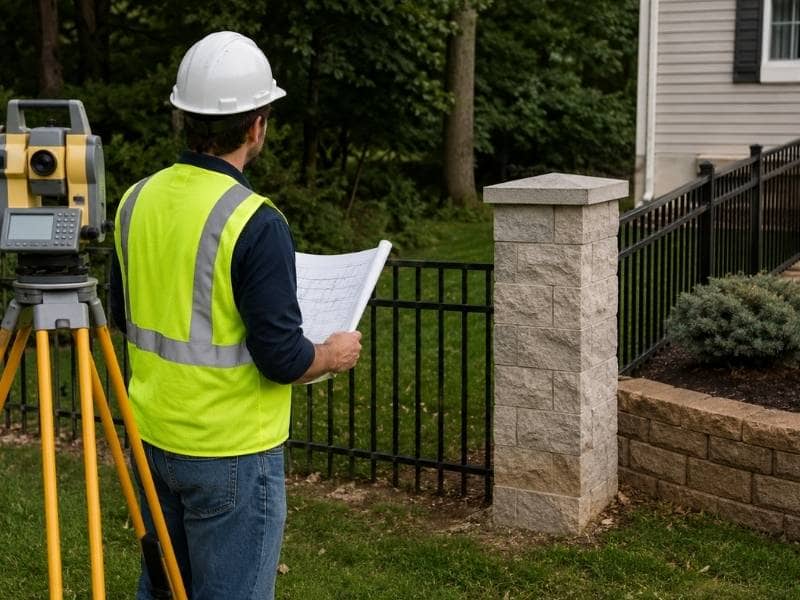
Title insurance protects you from legal claims tied to a property’s ownership history, such as unpaid debts, past fraud, or errors in old records. A land survey measures the property and shows what is on the ground today. They protect against different problems. Having one does not replace the need for the other.
When you buy a home or a piece of land, two services work to protect you: title insurance and a land survey. A lot of buyers think these two things do the same job. They do not. Knowing what each one covers can save you from a costly surprise after you close.
What Title Insurance Covers
Title insurance covers financial losses from problems in a property’s ownership history. These include unpaid debts, forged documents, mistakes in old records, and claims from people who say they own part of the property. It only covers things that happened before you bought the property, not physical issues with the land itself.
Every property has a history. It may have changed hands dozens of times over the years. Along the way, problems can be buried in the records. Title insurance is designed to protect you if those problems show up after you buy.
Here are some common things title insurance can cover:
- Unpaid taxes or contractor bills left behind by a previous owner
- Forged signatures on old deeds or transfer paperwork
- Mistakes in county records that affect who legally owns the property
- Claims from heirs of a past owner who say they were never included in the sale
According to ALTA, title companies paid out over $600 million in claims in 2022. The most common causes were unpaid debts, recording errors, and fraud. Title insurance is built to handle exactly those kinds of problems.
Title insurance is a one-time cost paid at closing. There are no monthly or yearly fees after that. The average cost for owner’s coverage in the U.S. is about $1,000, though it depends on where you live and the price of the property.
What a Land Survey Covers
A land survey shows the physical facts about a property. A licensed surveyor visits the land, takes measurements, and produces a document showing exactly where the boundary lines are and what is on the property today. It captures what is true right now on the ground, which records and paperwork cannot show.
While title insurance looks back through history, a land survey looks at what is real and present. A surveyor goes to the property, measures it carefully, and creates a certified document with the findings.
A survey can uncover:
- The exact location of boundary lines based on legal records and physical measurements
- Fences or structures that cross into a neighbor’s land, or vice versa
- Utility lines running through the property
- Differences between what the deed says and what actually exists on the ground
- Old survey markers left by previous surveyors
A survey does not offer insurance. What it gives you is a clear, factual picture of what you are buying. No title policy can do that.
The Survey Exception: The Gap Most Buyers Miss
Most standard title insurance policies have a survey exception. This is a clause that says the policy will not cover losses that a current survey would have found. So if a boundary problem or a structure crossing a property line is discovered after closing, your title insurance will likely not pay for it.
This is one of the most important things to understand about title insurance and surveys.
The survey exception is written into most standard title policies. It protects the title company, not you. If a problem exists on the ground that a surveyor would have caught, the insurance company can use this clause to deny your claim.
Here is a simple example. Say the previous owner built a retaining wall that crosses two feet into the neighbor’s property. A search of ownership records will not show this because it is a physical problem, not a paperwork problem. A land survey would find it. If you skip the survey and buy the property, then the neighbor demands the wall be moved, your title policy will almost certainly not cover the cost.
Some buyers can have this exception removed. If you give the title company a current, certified survey, they may be willing to issue a policy that covers boundary and encroachment issues. This is called extended coverage, and it is worth asking about when reviewing your policy options.
How the Two Work Together
Title insurance and a land survey protect you in different ways. One covers the past. The other covers the present.
| Title Insurance | Land Survey | |
| What it covers | Ownership history, debts, fraud, recording errors | Physical boundaries, encroachments, markers |
| When it applies | Problems that existed before your purchase | Conditions on the ground today |
| Who provides it | Title insurance company | Licensed land surveyor |
| How it is paid | One-time fee at closing | One-time professional service fee |
| Does it expire | No | No, but lenders may require updates over time |
| Can one replace the other | No | No |
Nearly all mortgage lenders require lender’s title insurance before approving a loan, according to the CFPB. This policy protects the lender, not you. Owner’s title insurance is a separate product that protects your investment directly. It is optional in most states, but strongly recommended.
When you have both a current survey and owner’s title insurance, you are covered from two different directions. That is the strongest position to be in before closing.
Know What You Are Getting Before You Close
A title search helps identify previous ownership records and any legal claims connected to a property. A survey shows the physical layout of the land, including boundary lines, easements, and visible improvements. Together, these documents help clarify both the legal and physical condition of a property before closing.
Boundary surveys and ALTA surveys are commonly used in residential and commercial real estate transactions to verify property details and support the closing process.
Frequently Asked Questions
Can I skip the survey if I have title insurance?
No. Title insurance does not cover physical boundary problems. Without a survey, you have no way of knowing whether the property matches what the deed describes. The survey exception in your policy means those physical problems are your responsibility.
What is ALTA extended coverage?
It is an upgraded title policy that removes the survey exception. It adds protection against encroachments and boundary disputes. To get it, your title company will usually require a current ALTA/NSPS survey that meets national standards.
Who orders the title insurance and the survey?
Title insurance is arranged through the title company or closing attorney. The survey is a separate order placed by the buyer, the lender, or both. They are handled independently and can be done at the same time.
Does my lender’s title insurance protect me?
No. Lender’s title insurance only protects the bank or lender. It does nothing for you as the buyer. Owner’s title insurance is a separate policy that covers your financial interest in the property.